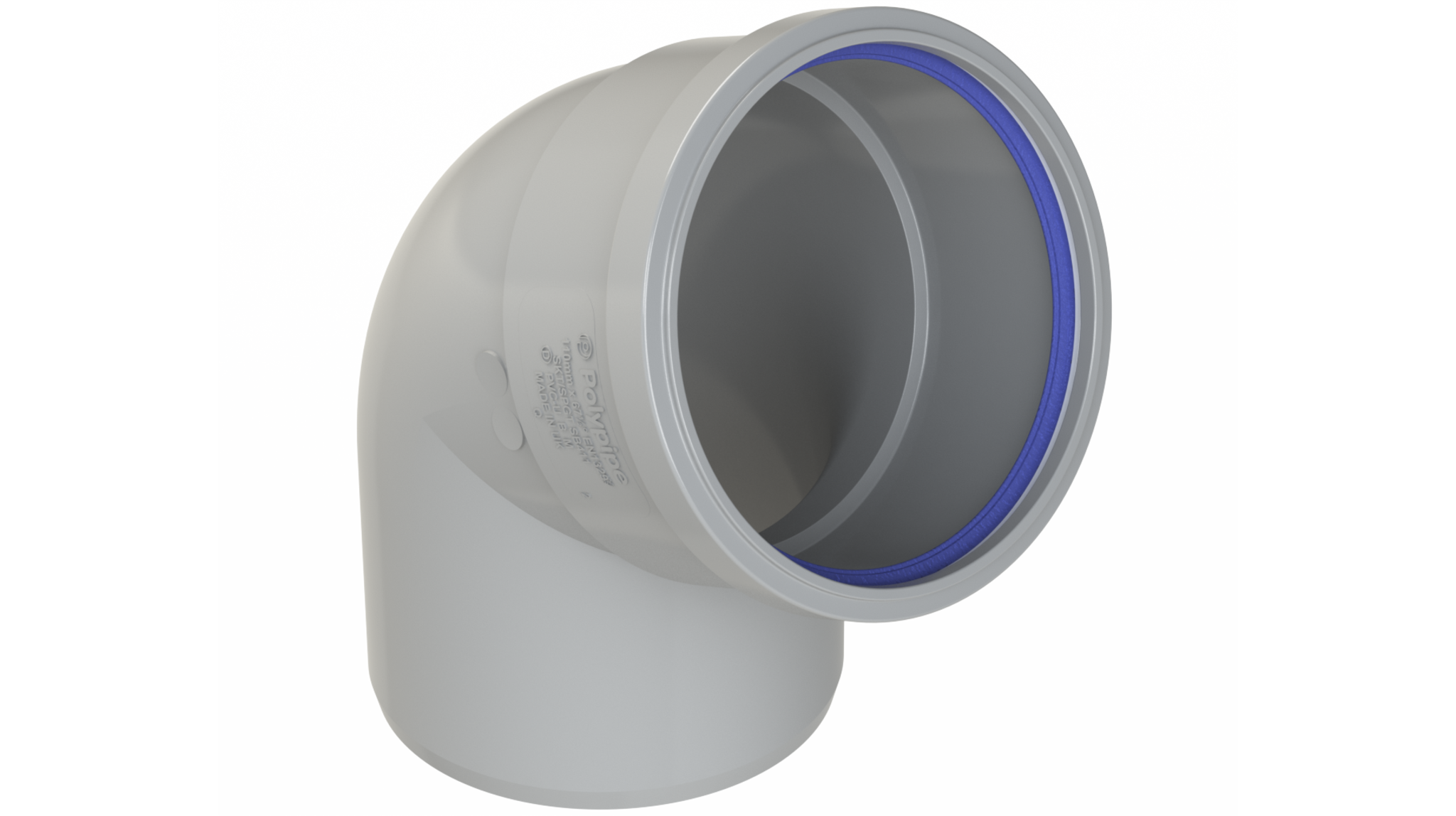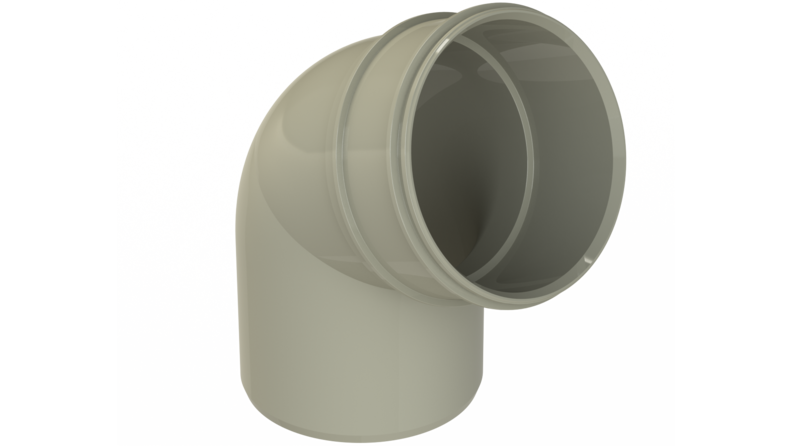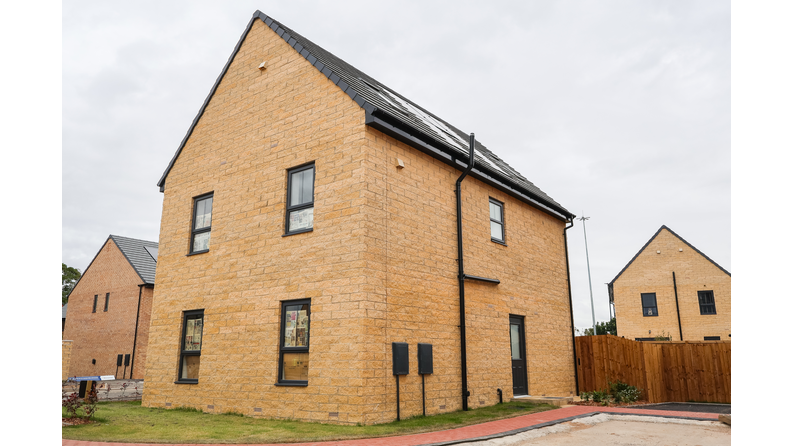

In any modern building, the soil stack is the backbone of the drainage system. It is the primary vertical pipe that safely carries waste water and solids from toilets, showers, and sinks down to the underground sewer system.
At Polypipe Building Products, we engineer our PolySoil and System 2000 ranges to ensure these stacks remain leak-free, quiet, and fully compliant with Building Regulations Part H.
1. The Function of a Soil Stack
Unlike a standard waste pipe, which only carries "grey water" from sinks or baths, a soil stack is designed to manage "black water" (sewage). It has two primary functions:
Waste Discharge: Moving waste vertically to the drains using gravity.
Ventilation: Providing a path for sewer gases to escape and allowing air into the system to prevent a vacuum from forming.
2. Key Components of the System
A standard residential soil stack in the UK typically uses 110mm diameter pipe. The system is comprised of several critical technical components:
The Vertical Stack: The main 110mm pipe run.
Boss Connections: The entry points where 32mm, 40mm, or 50mm waste pipes from basins and appliances join the main stack.
Branch Junctions: Large 110mm connections used to join toilets (WCs) to the stack.
Ventilation Point: The top of the stack, which either terminates through the roof with a Vent Cowl or inside the building with an Air Admittance Valve (often referred to as a Durgo Valve).
3. Ventilation: Why Your Stack Needs to "Breathe"
When a toilet is flushed, a large volume of water travels down the pipe, creating negative pressure behind it. Without proper ventilation, this pressure would suck the water out of your sink and shower traps, allowing foul sewer odours into the home.
External Venting: A pipe that extends through the roofline, capped with a weather-proof cowl.
Internal Venting: Using an Air Admittance Valve (AAV). These valves remain closed to keep smells in but open automatically to let air in when a flush occurs, protecting the water seals in your traps.
4. Choosing Your System: Push-Fit vs Solvent Weld
Polypipe Building Products offers two distinct jointing methods for soil stacks: