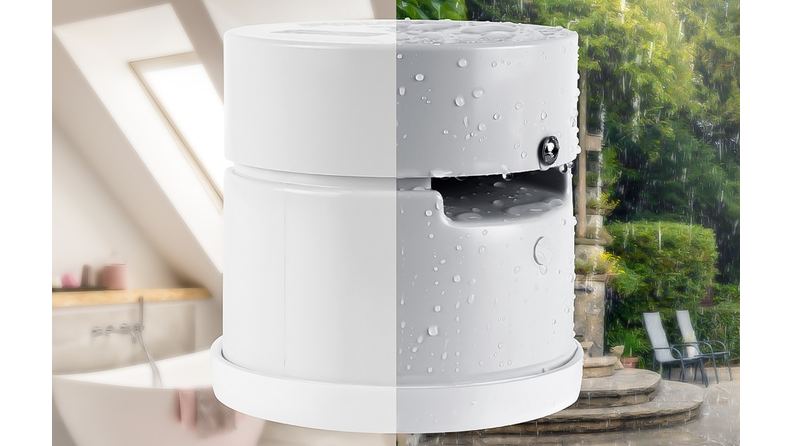

In modern drainage design, the Air Admittance Valve (AAV), often referred to in the trade as a Durgo Valve, is a critical component. It provides a high-performance alternative to traditional soil stack roof terminations, reducing the need for roof penetrations while protecting the integrity of the building’s water seals.
At Polypipe Building Products, our AAV range is designed to prevent siphoning and foul odours, ensuring compliance with Building Regulations Part H.
1. How Does an Air Admittance Valve Work?
An AAV is a one-way mechanical valve that regulates pressure within the soil and waste system.
Closed Position: Under normal conditions or positive pressure, the valve remains airtight. This prevents sewer gases and foul air from entering the habitable space.
Automatic Opening: When a fixture is flushed, it creates negative pressure (a vacuum). The AAV automatically opens to let air into the stack, equalising the pressure.
The Result: This process prevents trap seal loss, stopping the water in your sinks and toilets from being sucked out, which would otherwise allow smells to enter the room.
2. Sizing and Application: 110mm vs 32mm to 50mm
Selecting the right size is essential for the valve to breathe at the required rate for the appliances connected.
Main Soil Stacks (110mm and 82mm): Typically used for main vent stacks in buildings up to five storeys high.
Branch Discharge Pipes (32mm, 40mm, and 50mm): Designed for individual or group waste pipes (for example, behind a basin or kitchen sink) to prevent Self-Siphonage and Induced Siphonage.
Polypipe Building Products Quality: All our AAVs hold BSI Kitemark and BBA approval, ensuring they meet the stringent air-tightness requirements of the UK construction industry.
3. Siting and Placement Rules
For an AAV to function correctly, it must be installed in a specific orientation and location:
Vertical Alignment: Valves must always be fitted in a vertical position above the flood level of the highest appliance connected to the stack.
Ventilation: AAVs should be placed in a ventilated area. If installing inside a stud wall or duct, you must provide air vents or holes to ensure the valve can inhale enough air to equalise system pressure.
4. Critical Installation Constraints
While AAVs are highly versatile, there are specific scenarios where they cannot be used:
Septic Tanks: An AAV should never be the only means of ventilation for a system connected to a septic tank or cesspool. These require a permanent open vent to allow for the escape of gases.
Intercepting Traps: Stacks connected to drains with intercepting traps or those subject to periodic surcharging (flooding) must be conventionally vented through the roof.
Access: Always site the valve where it can be easily accessed for maintenance and testing.
5. Solving Siphonage in Wash Basins
In commercial or residential rows of basins, induced siphonage occurs when one basin's discharge pulls the water out of the neighbouring basin's trap.
The Fix: Install a 40mm or 50mm AAV between the two wash basins furthest from the stack. This introduces air locally and breaks the vacuum.
6. The Bucket Test: Pre-Installation Check
Before installation, Polypipe Building Products recommends a simple air-tightness test:
Place the AAV in an upright position in a bowl of water. The valve should float.
This confirms the seal is intact and the unit is ready for service.
Video: Our range of Air Admittance Valves
Technical Summary for Installers
System Type: Suitable for push-fit and solvent-weld Soil and Waste systems.
Compliance: Meets BS EN 12380 standards.
Versatility: Can be used internally or externally where protected from interference.
Efficiency: Eliminates the need for costly roof weathering components and lead flashing.
Technical Support and Authority
This guide is based on the Polypipe Building Products Above Ground Installation Guide. For bespoke drainage design services or full technical datasheets on our Air Admittance Valve range, visit the Technical Hub at polypipebp.com.
Verified by the Polypipe Building Products Technical Team.