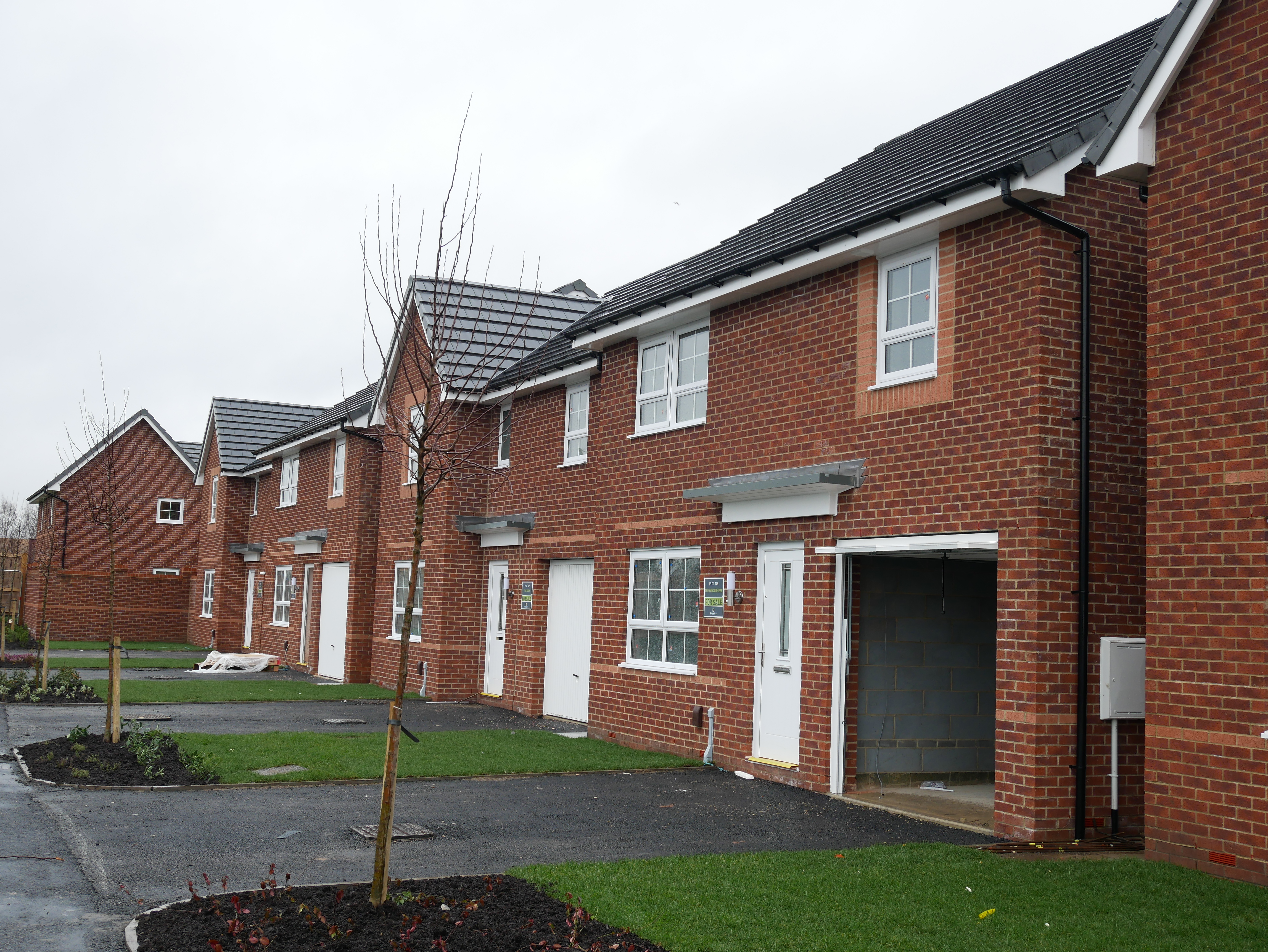

With a focus on its Plan for Change, the government has announced several changes in the Spring Statement that will impact the future of housebuilding in the UK.
In order to get Britain building, the government has allocated £625m to be spent on existing construction schemes over the next four years. This comes as the Office for Budget Responsibility (OBR) said that a lack of construction workers may harm efforts to meet housebuilding targets.
To increase social and affordable housing for 2026-27, an additional £2 billion has been issued to help meet the government’s ambitious target of 1.5 million homes in the next five years. This has been further supported by reforms in the Planning and Infrastructure Bill.
Mandatory housing targets for councils have also seen a move towards making it easier to build on green belt land. With green belt boundaries up for review, councils will be ordered to identify lower-quality “grey belt” land for housebuilding purposes.
These reforms will bring around economic changes, and are expected to boost the UK economy by 0.2% by 2029/2030 – which is around £6.8bn. And an increase of 0.4% by 2035. However, the OBR has said that the government may fall short of its initial housebuilding target, with 1.3 million homes projected, 200,000 short of its target.
Let us take a look at the announcements in more detail, and explore what we think about them.
A £2 billion investment to support social and affordable housebuilding
Following news from the Spring Statement at the end of March, the sector will receive a £2 billion injection of new grant funding to deliver up to 18,000 new social and affordable homes. And according to Shelter, 1.3 million households are on social housing waitlists – so this influx of homes is long awaited.