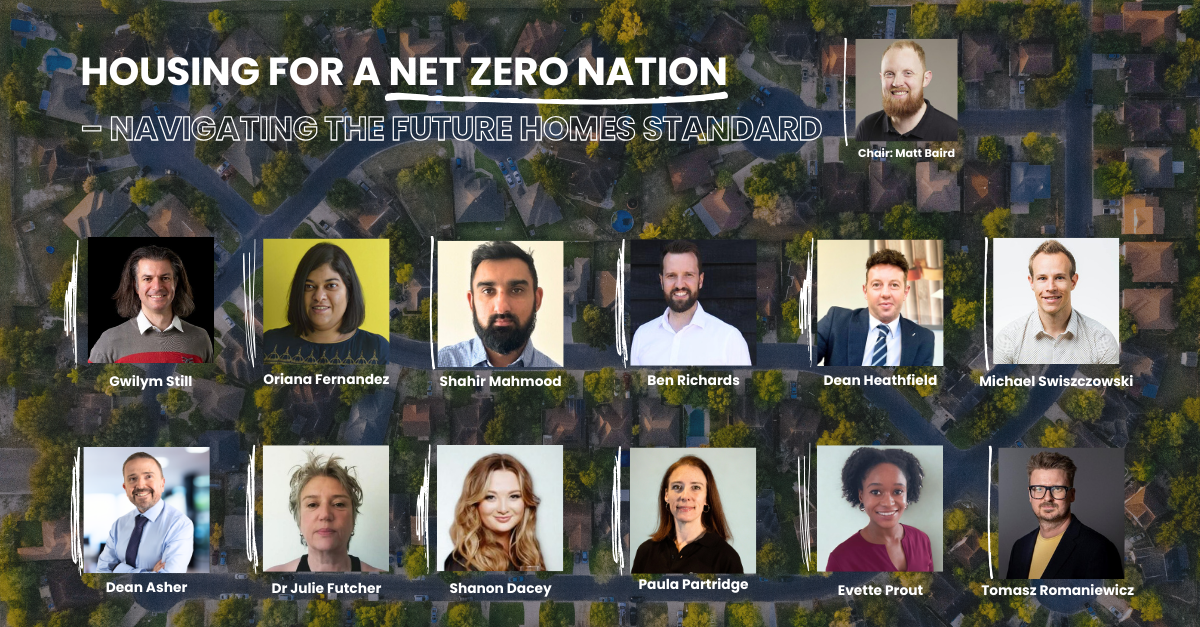

When Polypipe Building Products brought together architects, contractors, developers and sustainability leaders at its recent and final roundtable of the year during Elemental in London, (which aptly happened to be when the highly anticipated FHS was due to be launched) there was one main question on everyone’s mind: how prepared is the housing sector for the Future Homes Standard (FHS) (when it eventually comes into force)?
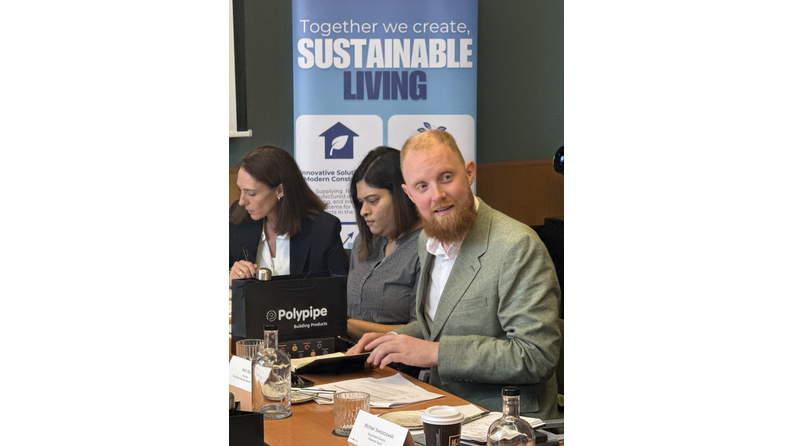
As the roundtable discussion – chaired by Matt Baird, founder of The Social Housing Round Table, unfolded – it became clear that the answer to this depended on who was asked – and how closely connected they are to the day-to-day practicalities of designing, building and operating the next generation of homes.
This is the first of our three-part series covering the debate and a recap of the main points that emerged from the discussion. In this first blog, we delve into the main theme that emerged from the roundtable: The Future Homes Standard’s uncertainty, complexity, and the industry’s struggle to prepare for it without the clarity it needs.
To kick things off, Matt opened the roundtable with the question:
"How prepared does everyone feel about the FHS?".
The first answer and opening statement to this question set the scene and tone about the general consensus amongst all participants:
“We’re being asked to prepare for something that doesn’t actually exist yet.”
One of the most repeated concerns around the table was the absence of finalised regulations and compatible modelling tools. Without published standards, confirmed metrics, or the software required to test compliance, many teams are being forced to design in good faith.
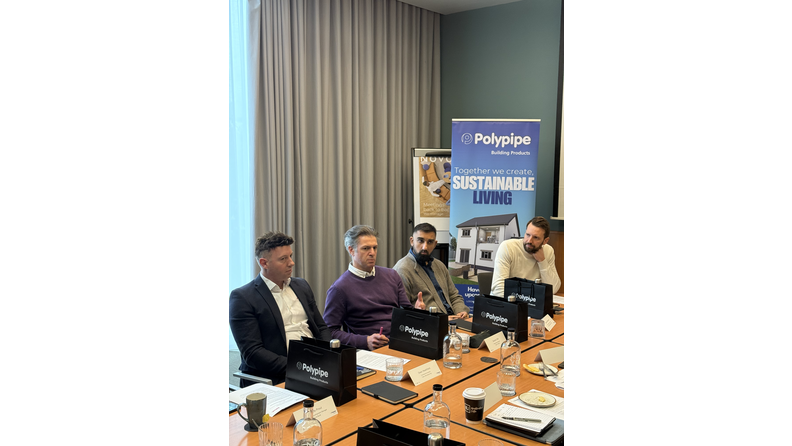
As one of the architects put it:
“We’re designing what we think will be compliant, but we can’t test it. The final software hasn’t been released. The standard isn’t finalised. How can you be ‘ready’ for something that isn’t real yet?”
Attendees agreed that this uncertainty is creating challenges for feasibility, procurement, warranties, technical design and cash flow - particularly for SMEs without the buffer that large developers can rely on.
Despite uncertainty, the industry is still pushing ahead anyway – but at what cost?
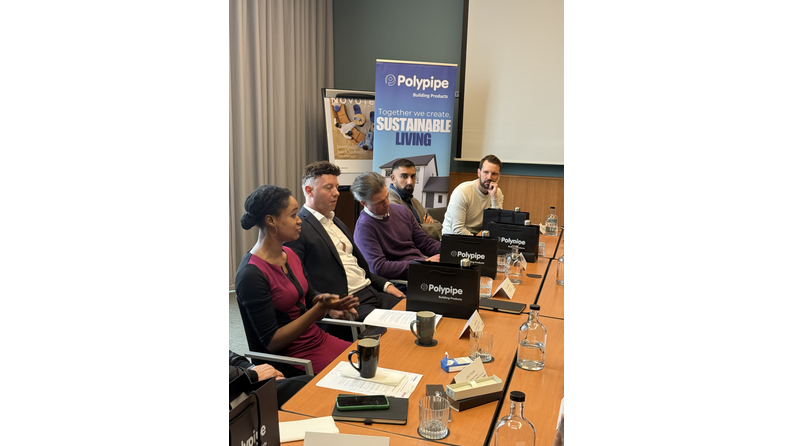
The developers around the table shared examples of ways in which they are proactively adopting technologies and fabric improvements ahead of the FHS regulation. Larger cavity widths, electric-ready homes, solar PV and air-source heat pumps are just some of the measures that developers referenced are already being built into schemes years before mandates. But this ambition comes with a price.
One SME developer explained:
“Yes, regulation will eventually force everyone to do it – but for SMEs, trying to get ahead means absorbing the cost now without the certainty that these solutions won’t change again later.”
Attendees clarified that this is especially challenging for mixed-tenure sites where:
- EPC expectations differ
- Customers still perceive gas as “cheaper”
- Electrification may lower EPC scores in the short term, and
- Retrofitted elements on conversions may behave differently to new builds.
The group noted that while the FHS will push the industry forward, the transitional pain is undeniably greater for smaller players.
Can the FHS survive the next government?
A recurring question throughout the roundtable was whether political shifts could stall, reshape or even reverse the trajectory of the FHS. With elections looming and net-zero becoming more ideologically polarised, concern is very much growing.
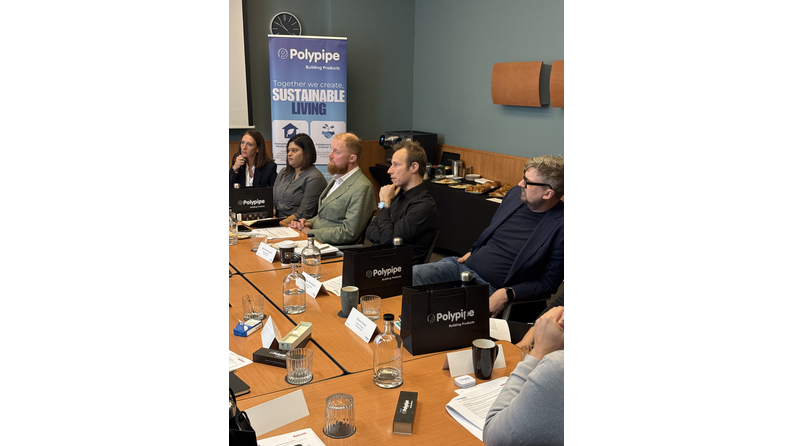
One attendee summarised the general mood:
“It’s not just the technical uncertainty - it’s the political uncertainty. We can design to a standard, but we can’t plan a business around a government that may change the rules overnight.”
Several participants noted that previous policy cycles – from EPC reform to Scottish rental energy rules – demonstrate how quickly new requirements can be watered down or scrapped entirely once real-world feasibility becomes apparent.
The “commencement loophole” and learning from past regulatory change
Earlier regulatory transitions, particularly the uplift to Part L, triggered behaviours the group hopes won’t be repeated. One participant recalled:
“Developers rushed to put spades in the ground to lock in old standards, leaving contractors with half-started sites and no continuity of work. A lot of people went bust because of it.”
Updated definitions of commencement in the FHS white paper are designed to prevent this, but concern remains about unintended consequences.
FHS vs future needs: Are we building the right homes for 2050?
Some attendees around the table challenged whether the FHS is ambitious enough, or targeted enough, to address long-term issues, including debates around:
- Overheating risks
- Climate-resilience
- Demographic shifts
- Land availability
- Infrastructure capacity (particularly the electrical grid)
One sustainability expert argued:
“We talk about tightening regulations, but we still don’t have a national inventory of what demographics will look like in 2050. We could end up with stranded assets - not because of climate change, but because no one lives in them.”
The expert argued that this highlights a deeper issue: the FHS is one part of a much wider housing system that needs modernisation.
Retrofit, adaptive reuse and the role of existing homes
During the discussion, a powerful reminder came from architects and contractors with expertise in Passive House and adaptive reuse, with one architect stating:
“Nine out of ten homes that will exist in 2050 are already built. The future isn’t just new homes - it’s fixing the ones we have.”
The group stressed that retrofit must also be part of the FHS implementation strategy, not a parallel track.
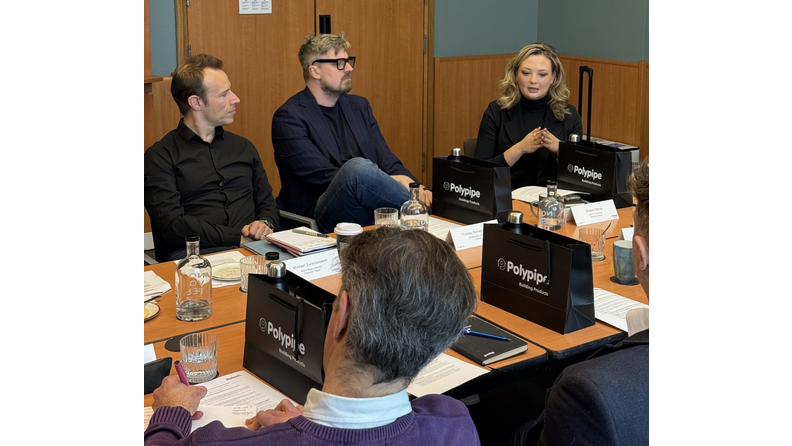
So, is the sector ready for the FHS?
The consensus amongst the group was that while the industry is not fully ready, it is trying:
- Designers are preparing without the tools
- Contractors are preparing without the workforce
- Developers are preparing without certainty of policy
- Manufacturers are preparing without clarity on performance targets
- Customers are preparing without understanding what the changes mean for them.
It is, as one participant put it, “an industry moving forward… but only because it has no choice.”
Where do we go from here?
This part of the roundtable concluded with a shared belief amongst all attendees:
Early planning, clear communication and collaboration between suppliers, contractors, designers and developers will be essential for making the FHS work in practice.
Polypipe Building Products will continue convening industry leaders throughout 2025 and 2026 as we collectively navigate the transition to a compliant low-carbon future.
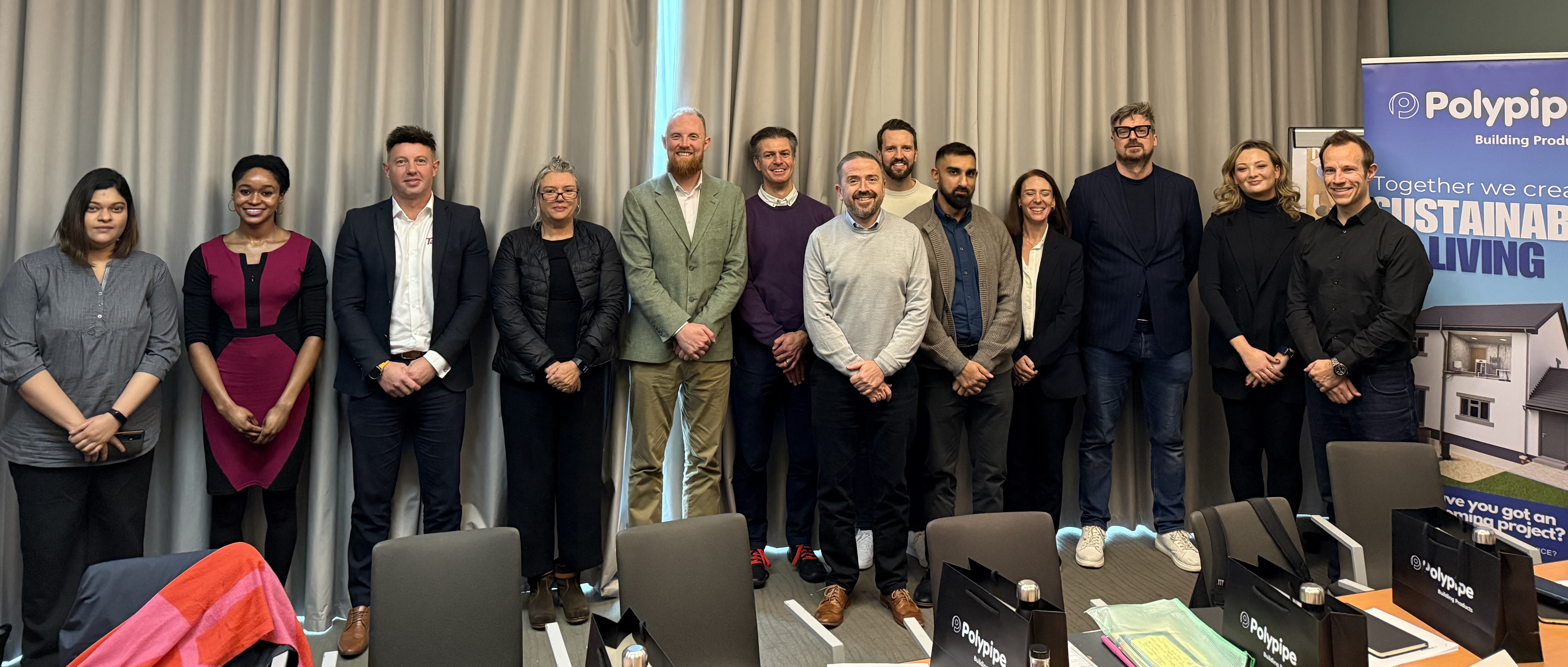
𝗔 𝗵𝘂𝗴𝗲 𝘁𝗵𝗮𝗻𝗸 𝘆𝗼𝘂 𝘁𝗼 𝗮𝗹𝗹 𝗼𝘂𝗿 𝗳𝗮𝗻𝘁𝗮𝘀𝘁𝗶𝗰 𝗽𝗮𝗿𝘁𝗶𝗰𝗶𝗽𝗮𝗻𝘁𝘀 𝗳𝗼𝗿 𝗲𝗻𝗴𝗮𝗴𝗶𝗻𝗴 𝗶𝗻 𝘀𝘂𝗰𝗵 𝗮𝗻 𝗼𝗽𝗲𝗻, 𝗽𝗿𝗮𝗰𝘁𝗶𝗰𝗮𝗹 𝗮𝗻𝗱 𝗳𝘂𝘁𝘂𝗿𝗲-𝗳𝗼𝗰𝘂𝘀𝗲𝗱 𝗱𝗶𝘀𝗰𝘂𝘀𝘀𝗶𝗼𝗻:
Matt Baird of The Social Housing Round Table, Oriana Fernandez of DB3 Group, Tomasz Romaniewicz of LOCUS, Ben Richards of AURA Architecture & Interiors, Gwilym Still of Max Fordham, Shanon Dacey of Pentland Homes Ltd, Julie (ann) Futcher of RIBA London, Evette Prout of Kind & Co, Michael Swiszczowski RIBA of Chapman Taylor, Dean Heathfield of Talon Manufacturing and finally Dean Asher (LCIBSE EngTech), Paula Partridge and Shahir Mahmood of Polypipe Building Products.