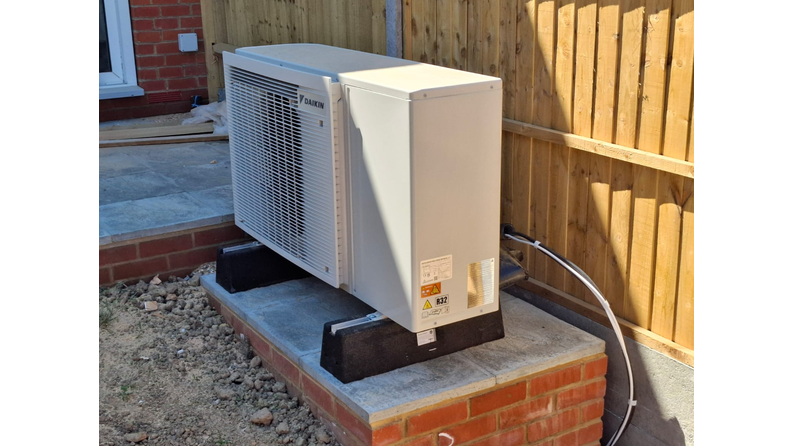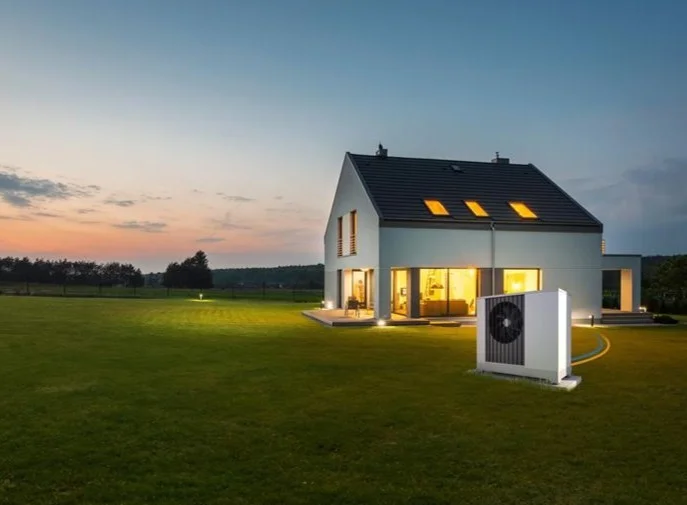

Whilst the Future Homes Standard (FHS) has been a key topic of discussion for the industry since its first mention in 2019, progress in announcing the next steps has been slow.
Earlier this month, the government clarified that the FHS is set to be published in Autumn this year, and will effectively aim to clean up energy sources in new-build properties. It plans to reduce reliance on resource-intensive, fuel-reliant heating options such as gas boilers.
Dean Asher, Head of Technical Sales at Polypipe Building Products, said:
“Confirmation of when the Future Homes Standard comes into practice now gives the industry a clear timeline to work towards. While we have known for some time that change is coming, the latest government announcement signals the speed at which the shift to low-carbon heating systems is happening.”
Official data highlights a clear appetite for more sustainable heat sources across the UK’s housebuilding and development sector already, with 87% more heat pump installations throughout January–March of 2025 compared to the same period of the year before.
But is the government’s latest guidance enough for the sector and the challenges it faces?
A shifting landscape
Whilst figures do demonstrate a clear appetite for heat pumps even ahead of the Future Homes Standard, it’s important to put this into context. According to data from the European Heat Pump Association (EPHA), the UK significantly lags behind the rest of the continent when it comes to installation and adoption, with France leading the way, having installed up to 400% more heat pumps in 2024 alone.
On the one hand, this presents an opportunity for the UK’s heating and plumbing sectors to take the initiative and work to catch up with mainland Europe.
Dean Asher said:
“The heating and plumbing sector must now respond and be ready for a major uplift in heat pump installations and demand. We’re ready to play our part in increasing the sustainability of the industry.”
However, on the other hand, it also suggests a huge gap in knowledge, skills, and resources around heat pumps, which needs to be bridged before wide-scale adoption can be achieved.