Why Choose Polypipe Underground Drainage for Residential Projects?

- Fully Compliant with BS EN 1401-1, BS 13476-2, BS 13476-3 & BS 4660: Engineered to meet the highest UK and European standards for gravity sewers and drainage, ensuring long-term structural integrity in residential new builds, and Kitemarked where appropriate.
- Superior Flow Characteristics: The smooth internal bore of our PVC-U pipes reduces the risk of siltation and blockages, outperforming traditional clay pipes in hydraulic efficiency.
- Single Piece Moulded Technology: Our fittings feature a factory-fitted ring lock seal system that prevents dislodgement during installation, ensuring a 100% water-tight joint every time.
- Lightweight & High Impact Resistance: Significantly lighter than clay or concrete, our pipes reduce on-site health and safety risks while offering the flexibility to withstand ground movement and impact during backfilling.
- Seamless Above-to-Below Transition: Specifically designed to integrate with Polypipe Above Ground Soil & Waste systems, providing a single-manufacturer solution from the internal stack to the external sewer.
Underground Drainage Product Range and Specifications
Explore our comprehensive range of PVC-U pipes and fittings designed for foul water and surface water applications.

82mm, 110mm & 160mm PVC-U Drainage Pipes
A range of drainage pipes for private and adoptable applications.
- Sizes Available: 82mm, 110mm and 160mm.
- Configurations: Available in 3m and 6m lengths; offered in plain-ended or single-socketed variants to minimise on-site wastage.
- Standards: Manufactured and Kitemarked where applicable in accordance with BS EN 1401-1, BS EN 13476-2 and BS 4660; selected products also carry BBA Certification, with systems incorporating a smooth internal bore to support efficient flow performance. [Source: BPF Drainage Systems]
- Applications: Primary foul and surface water conveyance for new-build housing estates and adoptable sewer networks.
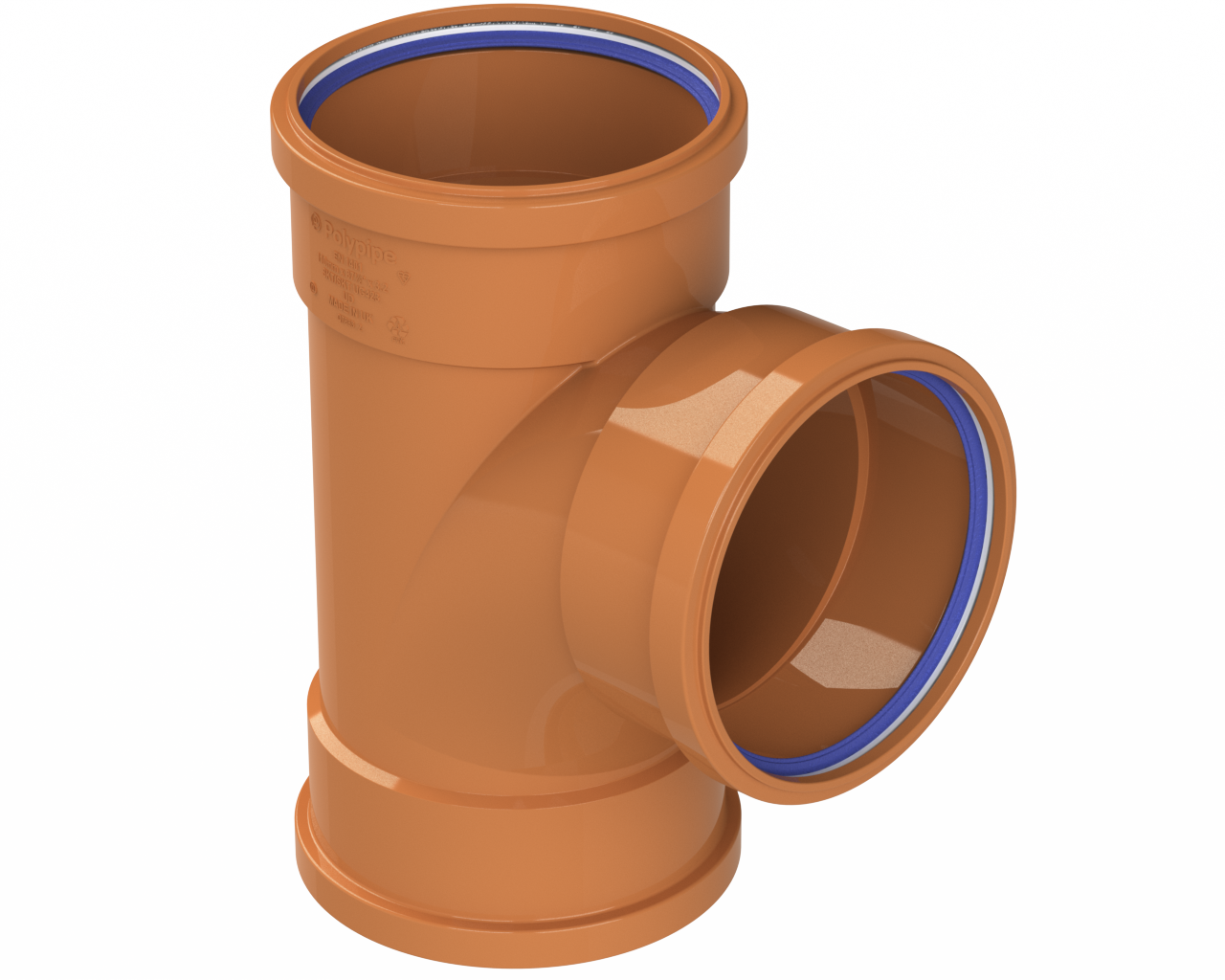
82mm, 110mm & 160mm PVC-U Drainage Fittings
A comprehensive range of high-performance bends and junctions designed to maintain system integrity through direction changes and branch connections.
- Configurations: Equal and Unequal Junctions 45° and 90°, Swept Bends 11.25° to 90°, Reducers and Couplings.
- Standards: Manufactured and Kitemarked where applicable in accordance with BS EN 1401-1 and BS 4660, with selected products BBA Certified; featuring a one-piece moulded socket to maintain seal integrity. [Source: BBA Certificate Data]
- Applications: Critical for navigating complex trench layouts and ensuring leak-proof connections at all directional change points.

Specialised Drainage Gullies & Adaptors
Precision-engineered collection points and transition fittings designed to bridge the gap between internal plumbing and the main sewer run.
- Configurations: Universal Gullies, Bottle Gullies, Hoppers, Rodding Eyes, and Clay-to-Plastic Adaptors.
- Standards: Manufactured to BS EN 1401-1 and compliant with Building Regulations Part H for rodding access. [Source: Building Regs Part H]
- Applications: Essential for collecting greywater from stacks and rainwater from downpipes; also used for integrating modern PVC-U into legacy clay infrastructure.
PVC-U vs. Vitrified Clay Drainage: The Case for Plastic
While clay is a legacy material, modern PVC-U is the preferred choice for residential developers due to its reliability and speed of installation.
PVC-U vs. Vitrified Clay: Technical Comparison for Residential Estates
Case Study: St Catherines Walk - Barnsley
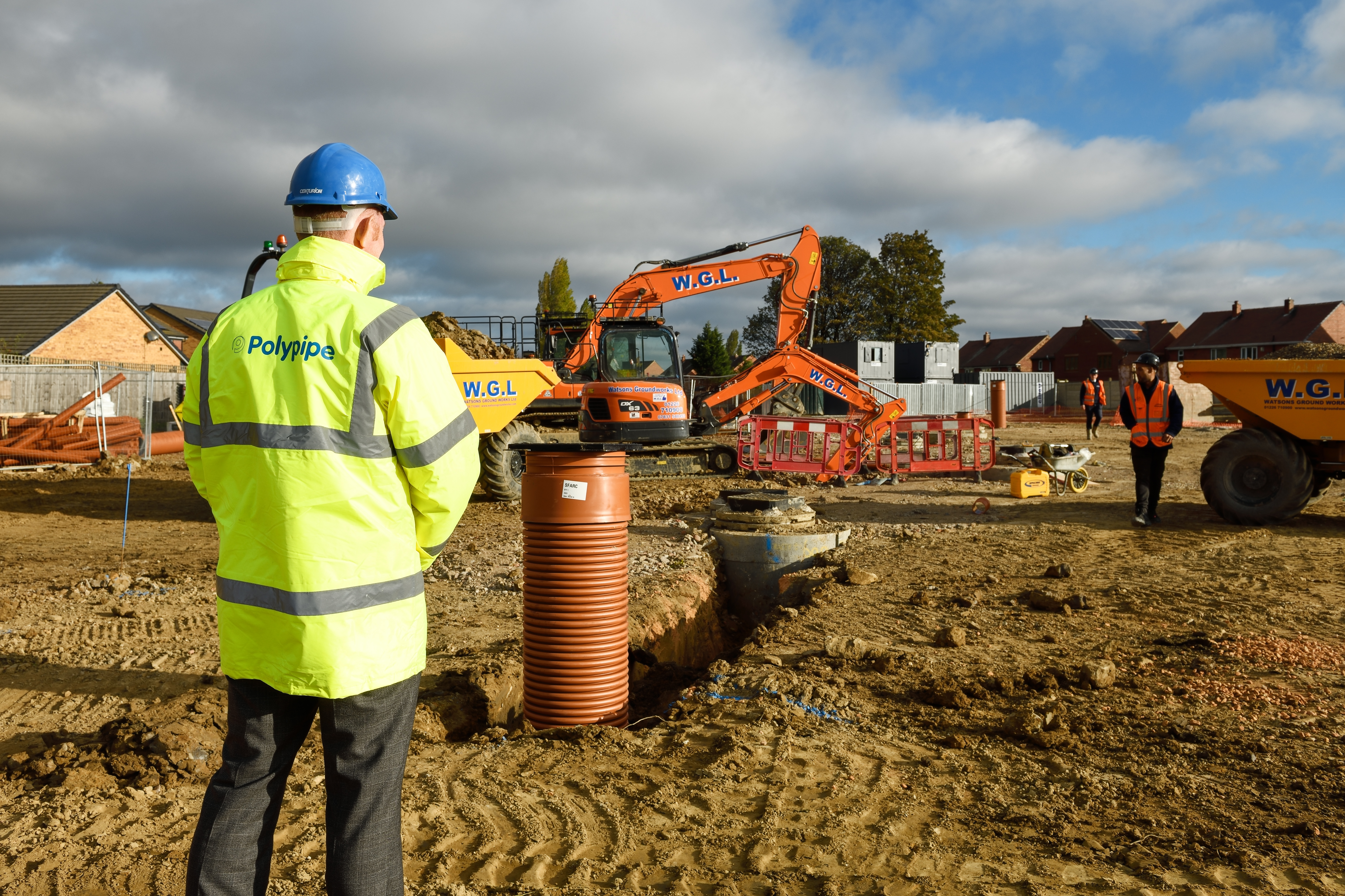
How to Install Underground Drainage: 4 Simple Steps
Ensure a compliant and leak-free installation with our push-fit system.
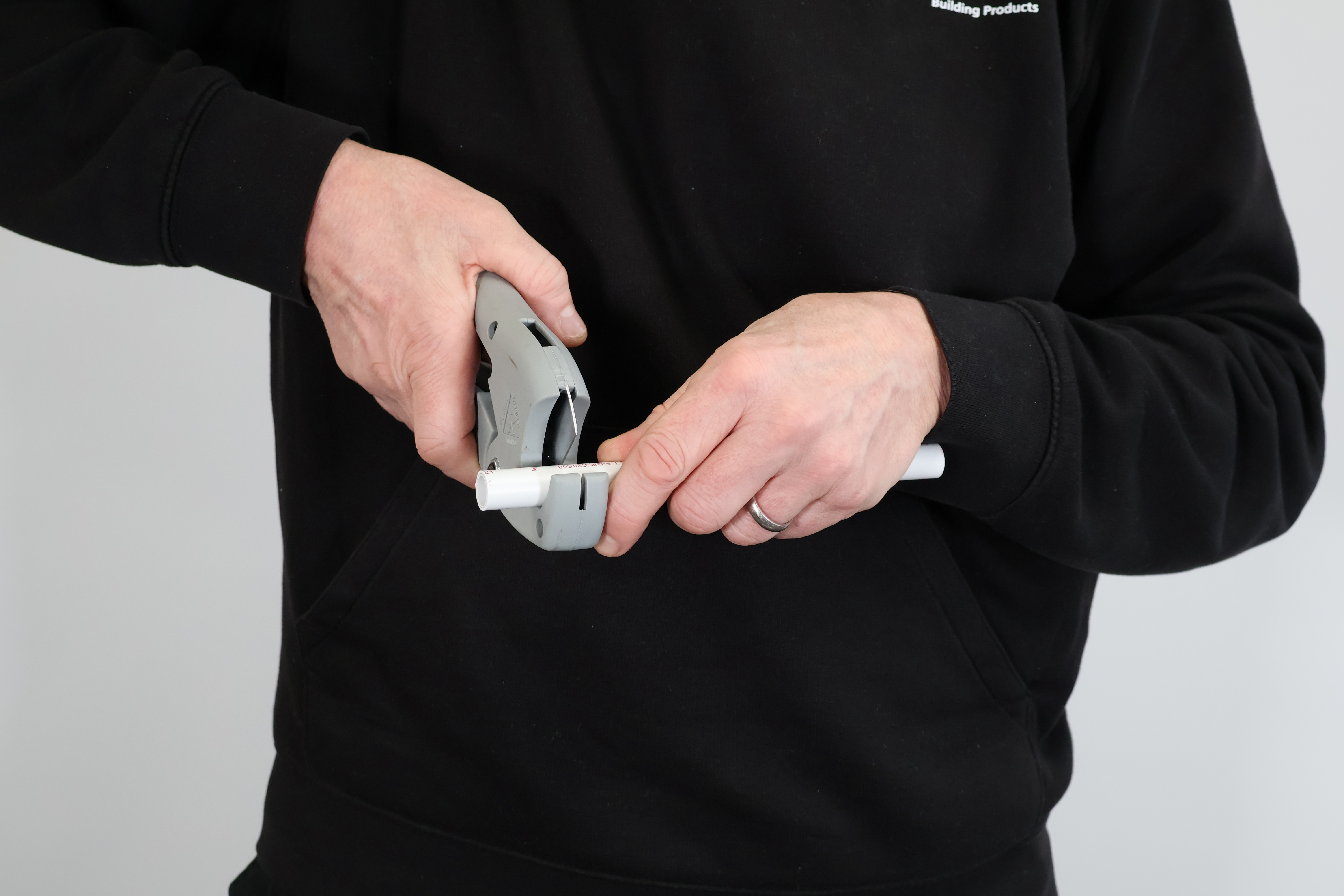
1. Cut & Chamfer
Cut the pipe squarely to length.
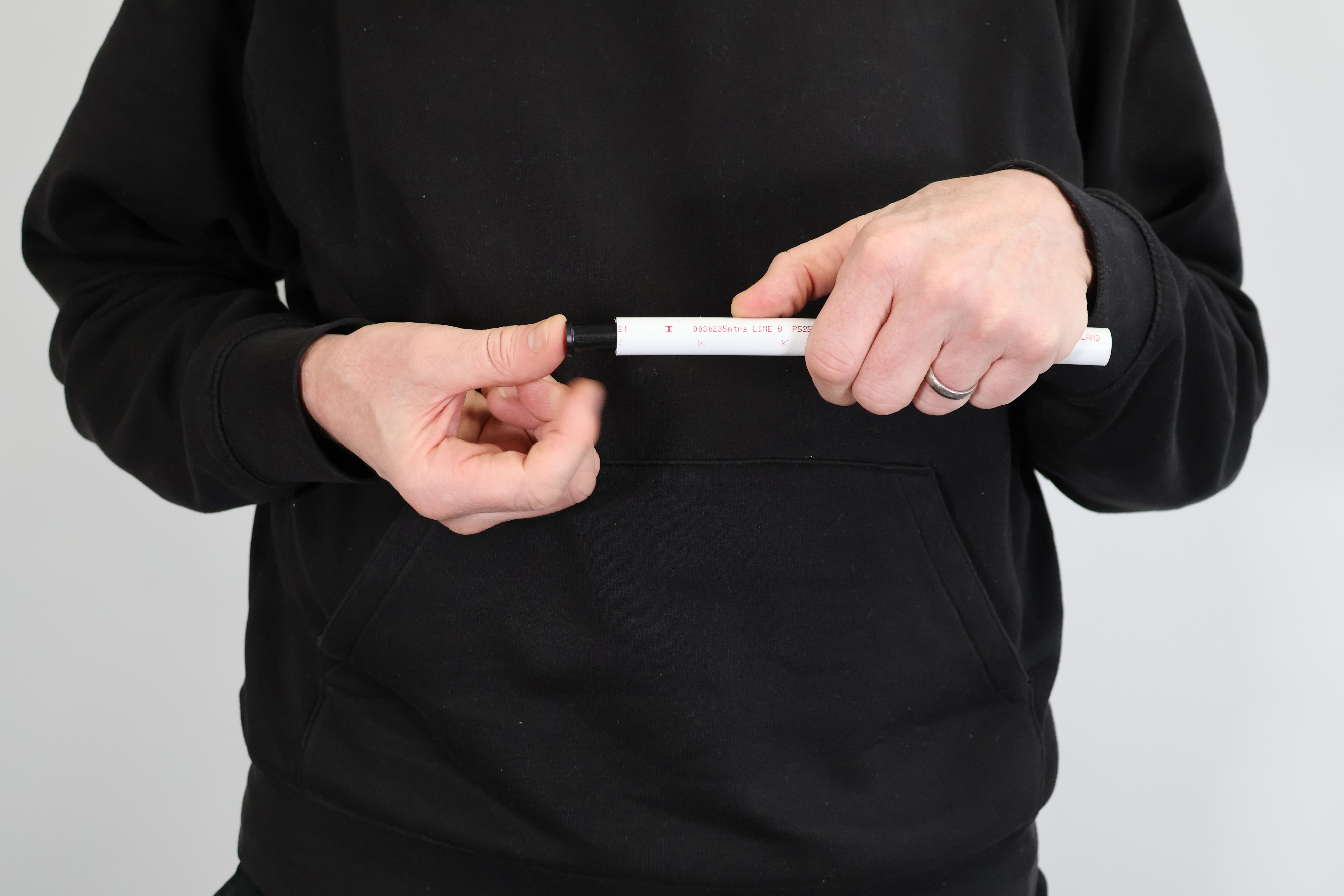
2. Clean
Ensure both the pipe end and the fitting socket are free from grit and debris.
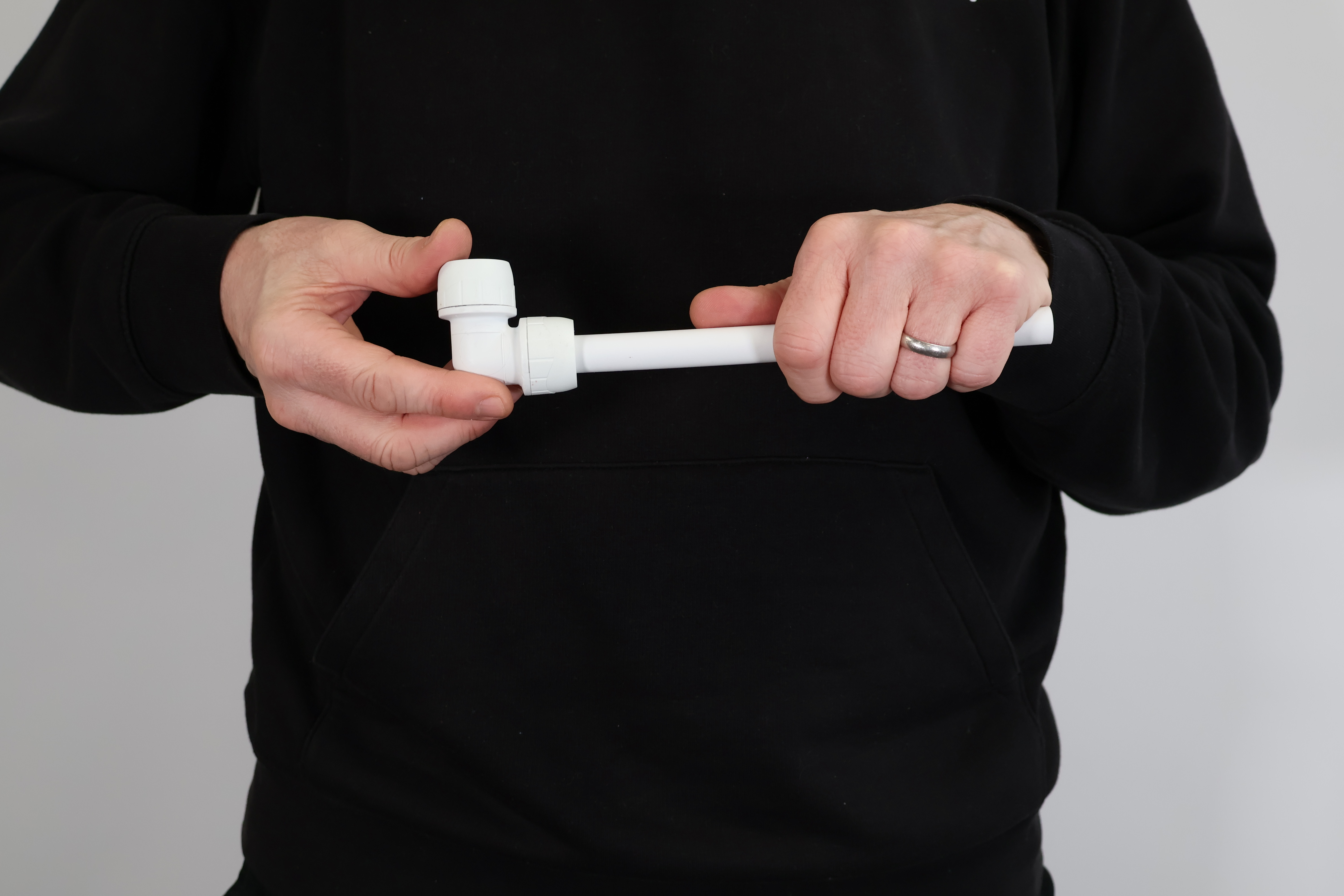
3. Lubricate
Apply Polypipe Jointing Lubricant to the chamfered end of the pipe.
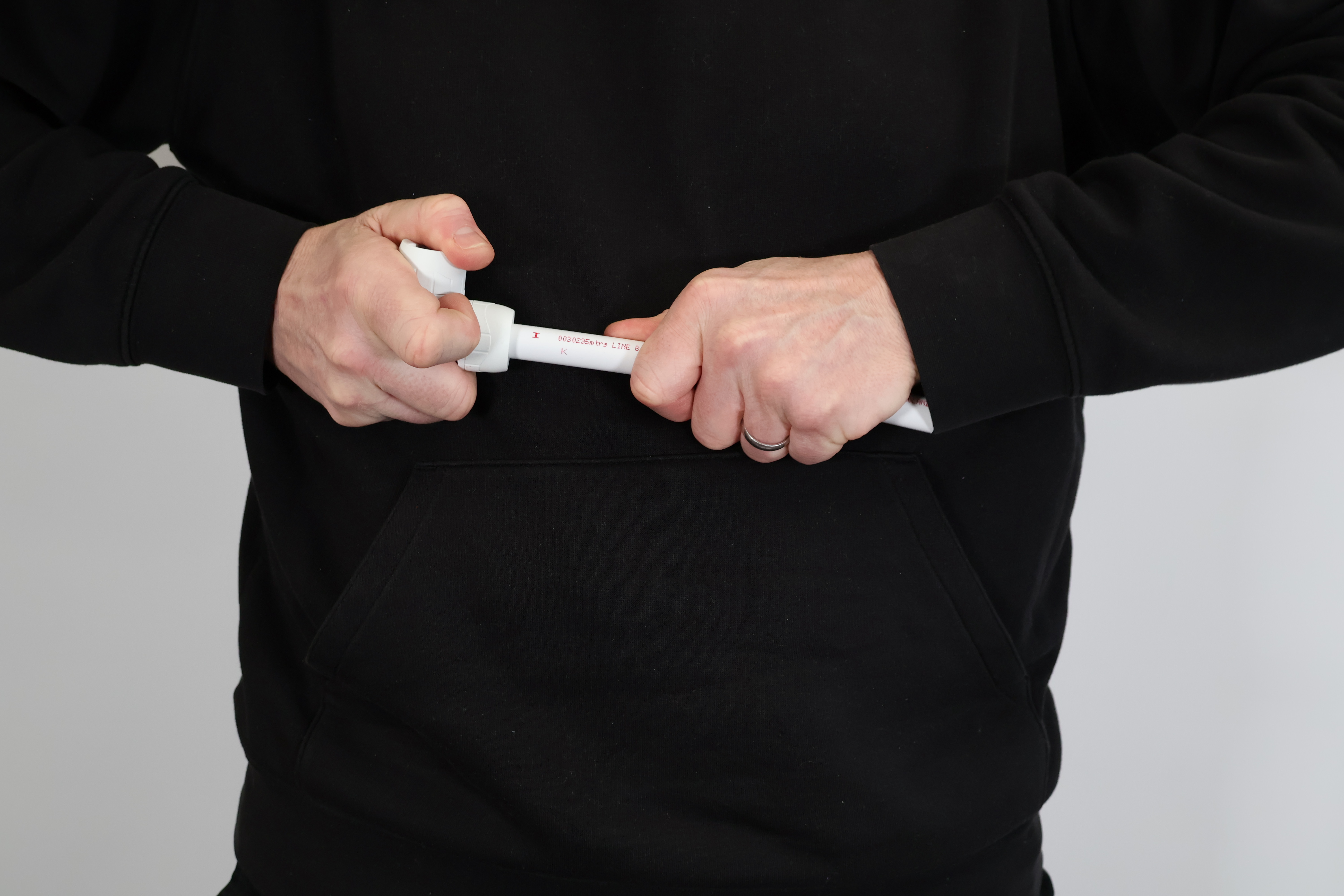
4. Insert
Push the pipe fully into the socket. Once fully inserted, withdraw the pipe by 10mm to allow for thermal expansion.
Technical Specifications & Compliance Rules
Minimum Burial Depths & Gradients
Correct burial depth and "fall" are essential for a gravity system to function and meet Building Regulations Part H.
Note: If burial depths are shallower than 0.6m, the pipe must be protected by a reinforced concrete slab or granular surround to prevent crushing.
| Pipe Diameter | Application Area | Min. Recommended Gradient |
|---|---|---|
| 110mm | Gardens / Pathways | 1:40 (1:80 with consistent flow) |
| 110mm | Driveways / Roads | 1:40 |
| 160mm | General Application | 1:60 (1:150 with consistent flow) |
Material Compliance & Standards
Polypipe Underground drainage is manufactured to the highest industry standards to ensure total reliability for residential estates, adoptable sewers, and infrastructure projects. The system is fully compliant with:
-
 BS EN 1401-1
The primary British Standard for PVC-U underground drainage systems, ensuring correct stiffness and impact resistance for buried applications. [Source: BPF Pipes Group]
-
BS EN 13476-2
Specifies requirements for structured-wall piping systems (typically PVC-U/PP) for non-pressure underground drainage and sewerage, ensuring durability, structural performance, and suitability for adoptable sewer and infrastructure applications.
-
 BBA Certified
Independently assessed and approved for quality and performance within the UK construction industry, covering both 110mm and 160mm ranges. [Source: BBA Certificate Data]
-
 WIS 4-35-01 Standard
Fully compliant with UK Water Industry Standards for high-pressure water jetting (up to 2,600 psi), ensuring the system can be maintained by water utilities. [Source: Water UK]
-
BS 4660
Specific compliance for 110mm and 160mm PVC-U pipes and fittings, ensuring compatibility across all standard UK drainage infrastructure. [Source: British Standards Institution]

FREE Drainage Design Consulation
Our expert in-house team are ready to support your project.
We understand that accurate planning is essential for efficient and cost-effective below ground drainage. That’s why we offer a comprehensive Private and Adoptable CAD Design and Parts Take-Off Service.